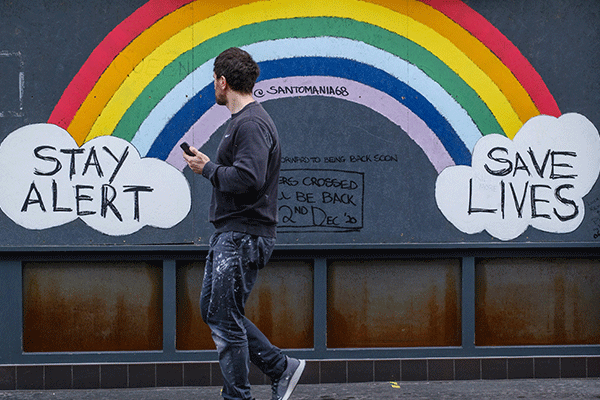
COVID-19
COVID-19 is an acute respiratory disease caused by the novel coronavirus (SARS-CoV-2), a virus belonging to the Coronaviridae family.
Most of these viruses cause disease in animals (bats, camels and birds), however, there are 7 strains known to cause disease in humans. Of these, some can cause mild temporary symptoms, severe respiratory disease (pneumonia) or death.
The viruses that cause severe infection in humans are:
- SARS-CoV-2, responsible for the pandemic that began in 2019 and causes COVID-19.
- MERS-CoV, responsible for Middle East Respiratory Syndrome (MERS) in 2012.
- SARS-CoV, which caused the outbreak of Severe Acute Respiratory Syndrome (SARS) in 2002.
In a pandemic where social distancing is advocated as the main way to combat infection, sex workers, like many other precarious workers, faced with serious financial difficulties. This is due not only to the lack of work, but also to the lack of social support.
Both street workers and those who work in apartments play a key role in combating sexually transmitted infections and other infections that are transmitted through contact. They are the workers who provide clients with important information about risk reduction, the risks associated with each practice, and the best forms of protection.
Virtual sex via webcams, sexting (sexual messages) or video is a way of avoiding physical contact, but in Portugal it is more commonly used for recreation.
For those who make a living from sex work, person-to-person contact is essential, and there are ways to reduce the risk of transmitting the Covid-19 virus.
COVID-19 transmission
The COVID-19 virus is a highly infectious virus that is transmitted through contact with droplets released from the nose or mouth of an infected person. These droplets can reach others or settle on surfaces or objects where they can survive for hours or days.
Transmission can occur through direct interaction between an infected person and other close contacts, when the virus directly reaches the mouth, nose or eyes. The probability increases in situations where people are less than 2 metres apart for more than 15 minutes.
Infection can also occur through indirect contact when someone touches infected surfaces with their hands and then deposits the virus in their eyes, nose or mouth.
Resumindo, a transmissão pode ocorrer nas seguintes situações:
-
Shaking hands with infected people;
-
Through talking, coughing, sneezing, or spitting in close proximity;
-
During physical exercise or singing;
-
Contact with contaminated surfaces or objects (mobile phones, cutlery, door handles, toys, computers, elevators, etc.).
Prevention and screening are important because, although contagion is higher when a person shows symptoms, transmission can occur up to two days before symptoms appear or even from asymptomatic individuals.
The contagious period can range from 7 to 12 days in moderate cases, and up to 2 weeks in severe cases. According to the Directorate-General for Health (DGS), the incubation period of the disease is 1 to 14 days.
COVID-19 symptoms
The symptoms of COVID-19 infection are highly variable and can have different levels of severity.
More frequent and least severe symptoms:
- Fatigue;
- Dry cough;
- Fever (temperature ≥ 38.0ºC);
- Body aches and muscle tension;
- Difficulty breathing;
- Loss of smell and taste;
- Conjunctivitis;
- Sore throat;
- Diarrhoea.
Less common and more severe symptoms
- Difficulty breathing;
- Chest pain and pressure;
- Loss of speech or motor skills.
Many people may be asymptomatic, i.e. they do not show any symptoms of the disease, but can still transmit the virus to healthy people.
COVID-19 Prevention
As already mentioned, this virus enters the body through droplets expelled by infected people. For this reason, reducing the risk of infection involves avoiding direct and indirect contact with infected droplets.
Hands are a major vehicle for transmission, so it is important to maintain respiratory etiquette:
- Wear a mask;
- When coughing, cover your mouth with forearm or a tissue. Do not use your hands!;
- Throw used tissues in the bin;
- Wash your hands after sneezing or coughing.
If you work outdoors
- Always carry an alcohol-based hand sanitiser to sterilise your hands or, when possible, wash your hands with soap and water;
- Wash your hands between customers whenever you touch money;
- Carry as few objects as possible with you;
- Always wear a protective mask and, if possible, change it between customers;
- Avoid touching your face (or the customer's), especially the eyes, mouth and nose;
If possible, refuse to serve people who have flu symptoms, breathing difficulties or a cough;
- Limit physical contact as much as possible by avoiding kissing or hugging;
- Use a condom for all sexual activities;
- Use alcohol or alcohol wipes to disinfect surfaces and objects such as mobile phones;
- Always have an alcohol-based hand sanitiser to sterilise your hands or, when possible, wash your hands with soap and water;
- Wash your hands between clients whenever you touch money;
- Carry as few objects as possible with you;
- Always wear a protective mask and, if possible, change it between clients;
- Avoid touching your face (or the client's), especially the eyes, mouth and nose;
If possible, refuse to serve people who have flu symptoms, breathing difficulties or a cough;
- Limit physical contact as much as possible by avoiding contact through kissing or hugging.
- Use a condom in all practices;
- Use alcohol or alcohol wipes to disinfect surfaces and objects such as mobile phones.
If you work in an apartment
- Wash your hands regularly for at least 30 seconds or sterilise them with an alcohol solution;
- Ensure that clients wash their hands and face with soap upon entering;
- When possible, conduct a pre-assessment of risk by asking clients if they have or have recently had symptoms of Covid (fever, dry cough, fatigue, sore throat), if they have travelled recently, or if they have been in contact with anyone who is infected;
- Don't service people who have flu or other symptoms;
- Use a non-contact infrared thermometer to check clients' temperature;
- Limit physical contact as much as possible by avoiding greetings involving kisses or hugs;
- Try to negotiate sexual practices that involve non-physical contact and maintain physical distance or avoid face-to-face contact;
- Always wear a protective mask and ensure that clients also wear a disposable mask correctly;
- Increase the time between each client to sterilise and clean surfaces and equipment (such as telephones, door handles and others), change sheets and finally wash bed linen at high temperatures.
Whether you work on the street or in an apartment, you should avoid working if:
-
You have a fever, cough, or other flu-like symptoms;
-
You’ve been in contact with someone who is infected;
-
You’ve recently traveled abroad or to regions with high infection rates;
-
You have a chronic illness or ongoing infection.
If you are a client
- If you have flu symptoms, a cough, or difficulty breathing, or have recently arrived from another country, avoid contact with other people and contact the 24-hour health line for medical advice.
- When in contact with sex workers, respect their limits and rules as well as any additional precautions they may require regarding hygiene and physical contact.
- Wash your hands and face regularly or sterilise them with alcohol.
- Always wear a mask and respect respiratory etiquette.
- Avoid behaviours such as offering more money for risky practices.
Although the pandemic has ended, it's important to continue following protective measures, and to reinforce them if necessary, to ensure that no one is at risk of infection.
If you have symptoms, contact Saúde 24 (808 24 24 24) or your family doctor.