Condom
Condoms can be internal or external. They may be made of latex or polyurethane and are disposable after use. In addition to preventing unwanted pregnancy, they are also effective in preventing sexually transmitted infections.

Having an unwanted pregnancy from a client is not a good scenario.
o help prevent this risk, use double protection — a condom alongside another contraceptive method. This ensures that if the condom breaks, you will still have protection.

If you don't use any contraceptive method and the condom breaks, you can use the morning-after pill. But this situation can be avoided if you think ahead about the best method and plan your reproductive health.
Contraceptives are designed to prevent pregnancy and work in different ways:
If you are thinking about starting hormonal contraception, make an appointment with Sexual and Reproductive Health. Some contraceptives can be obtained free of charge at your health center.
Barrier contraceptive methods do not contain hormones and act as a physical barrier that prevents sperm from entering the uterus. They are usually lubricated with water-based material. Barrier contraceptives are an option for those who do not want to or cannot use hormonal methods, although they may cause allergic reactions.
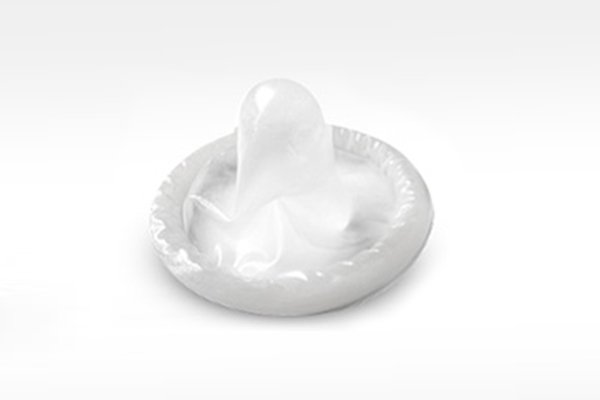
Condom
Condoms can be internal or external. They may be made of latex or polyurethane and are disposable after use. In addition to preventing unwanted pregnancy, they are also effective in preventing sexually transmitted infections.
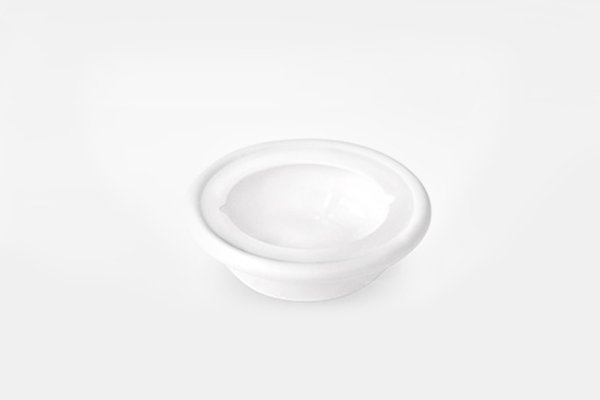
Diaphragm
The diaphragm is a silicone or latex dome-shaped device with a flexible rim that makes insertion easier. It should be inserted into the vagina about 15 to 30 minutes before sexual intercourse and removed 8 to 12 hours afterward, preventing sperm from entering the uterus.
For greater effectiveness, it should be used together with a spermicidal cream or gel. The size of the diaphragm depends on the woman’s body and should be adjusted if there are weight changes of more than 5 kilograms.
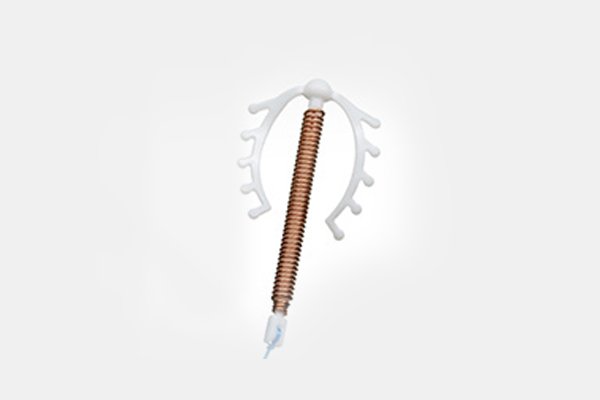
Intrauterine device (IUD)
The IUD is a contraceptive method consisting of a small, flexible T-shaped device that is inserted into the uterus by a healthcare professional. The IUD contains a copper wire wrapped around the stem and arms of the T and does not contain hormones. It can be used by healthy patients who have normal gynecological exam results.
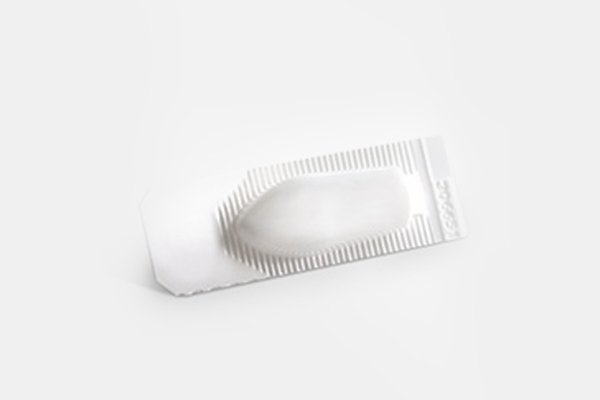
Spermicides
Spermicides are chemical substances available as gels, creams, vaginal suppositories, or sponges that should be inserted into the vagina 5 to 90 minutes before sexual intercourse. They work by reducing sperm mobility and preventing sperm from reaching the uterus.
They are not very effective when used alone and should be combined with other methods,
Hormonal contraceptives contain synthetic forms of female hormones, estrogen and progesterone. They prevent pregnancy in two ways: by stopping ovulation and by thickening the cervical mucus.
Some side effects may be associated with their use, including weight gain, headaches, breast tenderness, irregular menstruation, and decreased libido.
Hormonal contraceptives are not recommended for women who smoke or who have a history of high blood pressure, or breast, liver, or endometrial cancer.
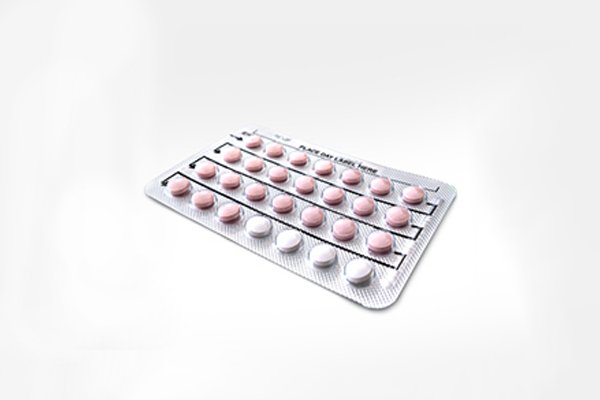
Commonly known as the pill, this contraceptive method contains different types of hormones—progesterone and estrogen—which work to inhibit ovulation. It should be taken daily, one tablet at a time, preferably at the same time each day.
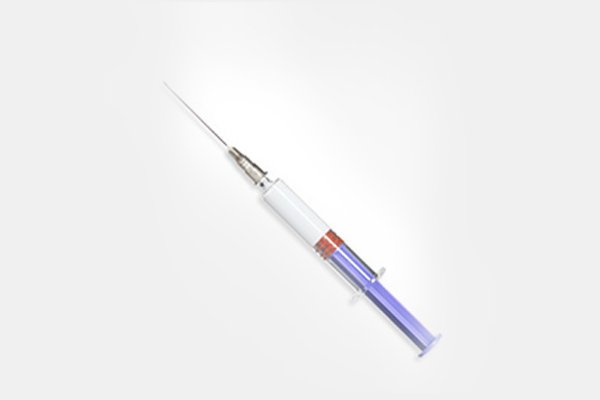
Hormonal injectable contraceptive
This contraceptive method consists of an intramuscular injection of the hormone progesterone, administered every three months. It is highly effective in preventing pregnancy and is recommended for those who tend to forget to take the oral contraceptive pill regularly.
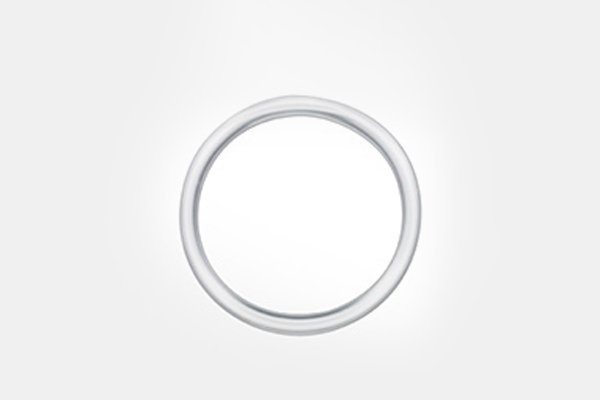
The vaginal ring is a thin, flexible ring. It should be inserted and kept in the vagina for 21 days. After this period, it should be removed, and a new ring should be inserted after a 7-day break.
This is a combined hormonal contraceptive containing estrogen and progesterone. It should not be used by women with a history of blood clotting disorders, stroke, heart attack, or cancer.
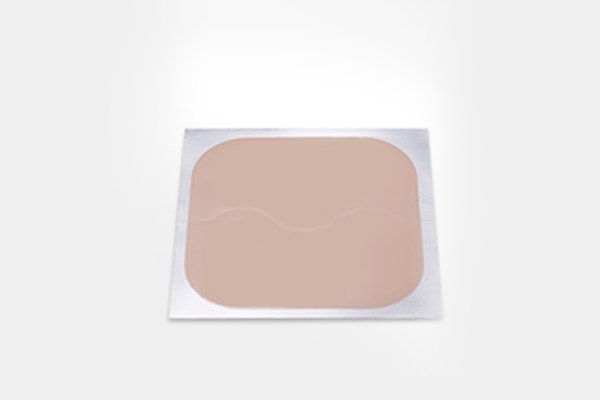
Contraceptive transdermal patch
The patch is a square that contains estrogen and progesterone. It sticks to the skin and can be applied to the lower abdomen, upper arm, buttocks, or back. Once applied, it should not be removed. When changing the patch, avoid placing it on the same spot or on red, irritated, or broken skin.
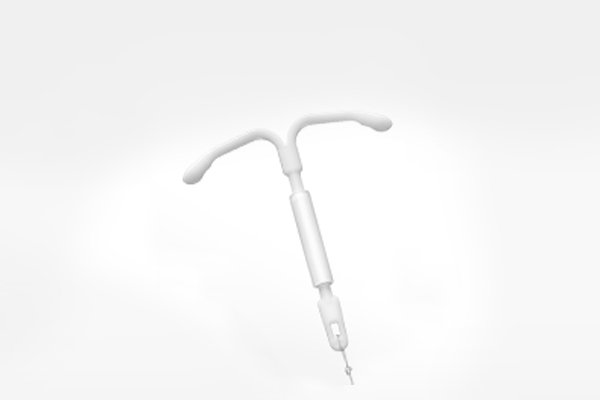
Intrauterine system (IUS)
The IUS is a small, flexible T-shaped plastic device that contains a type of progestin called levonorgestrel. It is inserted into the uterus through the vagina by a healthcare professional. Depending on the type and provided it does not cause unwanted side effects, the IUS can remain in place for approximately three, five, or ten years.
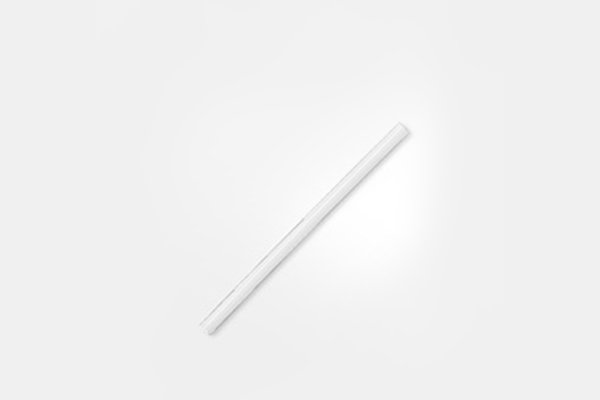
Birth control implant
The implant is a small silicone rod that is inserted under the skin, usually on the inner side of the upper arm, using a special needle. It contains progesterone, which is slowly released into the body. The implant is effective for up to three years but can be removed earlier if desired.
You may know this contraceptive as the morning-after pill.
If a condom broke with a client and you are not using any other contraceptive method, you can resort to this option.
To prevent pregnancy, this pill must be taken within the first 48 hours after the risky situation. Its effectiveness decreases over time, so it should be taken as soon as possible.
This pill can cause:
The morning-after pill should not be used as a method of contraception. It should only be used in exceptional situations.
You can buy this pill at a pharmacy without a prescription.
To get the morning-after pill for free, you should go to a family planning consultation at a health center or the gynecology and obstetrics department of a hospital.
If your period does not return after three weeks, you should take a pregnancy test.